“And I will ask the Father, and he will give you another Advocate, who will never leave you. He is the Holy Spirit, who leads into all truth. The world cannot receive him, because it isn’t looking for him and doesn’t recognize him. But you know him, because he lives with you now and later will be in you.”
(John 14:16–17, NLT)
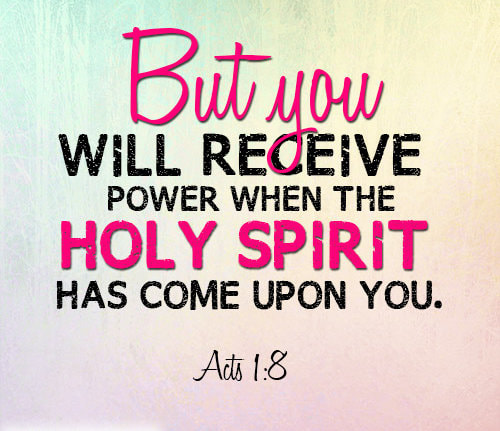
Before Jesus left this earth, He promised to send the Holy Spirit to the disciples. In Acts 1:8, Jesus said that the Holy Spirit would empower the disciples to be Jesus’ witnesses to all the world. Then, on Pentecost, the Holy Spirit came to the disciples and changed them forever (Acts 2). The disciples became bold in their preaching. They faced death without fear. They traveled to many places, spreading the gospel along the way. The Holy Spirit changed them, emboldened them, strengthened their faith, and increased their love and good works.
Several times in the gospel of John, Jesus mentioned that the Holy Spirit would be present with the disciples after He was gone. Today’s scripture is just one example. Here in John 14, Jesus taught the disciples that He “would ask the Father” to send the Holy Spirit to be an “Advocate” or helper/supporter (John 14:16). The Holy Spirit would never leave those faithful disciples. The Holy Spirit would “lead” the disciples into finding the truth. The Holy Spirit would dwell with them (John 14:17). What is also taught by Jesus in the scripture for today is that the people of the world who are not followers of Jesus “cannot receive” the Holy Spirit (John 14:17). John 14:17 even goes further to say that those of the world who have not professed their faith in Jesus “do not recognize” the Holy Spirit. Even if the Holy Spirit were powerfully active right in their midst, they would not perceive its presence.
As taught by Jesus and recorded in this scripture, there is a world of difference in the true believer and the non-believer. The true believer, empowered by the Holy Spirit, can see the actions of God and perceive God’s truth. The non-believer does not notice either. The true believer can see the hand of God in the world while the non-believer is completely oblivious to God’s spiritual works. The true believer will see miracles and feel when God is close by. Without the Holy Spirit to give one spiritual insight, the non-believer sees what is visible to the eyes. The actions of God remain hidden and imperceptible to them.
How many times have you heard non-believers or worldly Christians say that they don’t sense the presence of God or can’t see a miracle that is right in front of their eyes? You can see it. You can perceive God’s presence or feel the closeness of God’s Spirit. Non-believers or worldly Christians in the very same room with you see nothing, hear nothing, notice nothing, sense nothing. Why? They lack the Holy Spirit. And without that Holy Spirit, non-believers and worldly Christians cannot perceive God’s truth, access God’s power, nor even “recognize” (John 14:17) when God is present.
In a very real way, the Holy Spirit gives you a connection with Jesus. Without the Holy Spirit, that connection is not there. If you sin enough, fail to repent, or fall away from obedience to Jesus, the Holy Spirit will be removed from your presence. Then, that connection to Jesus will be severed (as explained in Revelation 2:4-5). Your spiritual abilities will shrivel up and die.
Janice told her best friend in confidence, “I don’t even feel God anymore. I haven’t in a long time.” When Janice was young, she often prayed to God, felt like God was near, and sought God’s counsel. Before she ate, she and her family would pray to God. When Janice faced a difficult task, she would seek God’s strength. Often, she would even talk out loud to God, asking God to walk with her into the school or help her make an important decision. That all changed when Janice went to college.
Several months after beginning classes at her state university, Janice began to slowly fall away from God. She stopped attending church. She spent more and more Sundays sleeping in instead of attending chapel services. In her sophomore year, Janice became enamored with socialism and several socialistic ideals. A professor she adored influenced Janice to come to a rights rally for women’s issues. Janice felt accepted by the people in that group. She felt supported. She enjoyed the thrill of public protests and the camaraderie of mutual support. Not long after that, she learned that religion was “an opiate of the masses” that promised a false sense of security. She was taught that religious people were deluded by the powers that be to fall into line. She chose to reject her faith.
Some twenty years later, Janice was at a wedding. There, the pastor spoke about the love of God. As he spoke, Janice began to rethink why she gave up her faith. She remembered feeling the love of God when she was young. She wondered why she hadn’t felt God in a long time. She wondered why her life seemed much more empty now than when she was young. She pondered all this for a few hours before going back to her worldly thoughts and feelings and goals and pursuits.
When the Holy Spirit is with you, you feel a connection with God. When you allow the Holy Spirit into your life, you never feel alone or empty. The voice of God speaks to you. God’s presence is noticed. God’s love is felt. God’s little miracles become clear. God’s truth becomes evident. The lies of this world are exposed and the need for God becomes abundantly clear. The Holy Spirit in you makes a world of difference. Lose that Holy Spirit, and your entire world view changes. Your soul shrivels up and dies. Your love of God and godly love for others falter and fade away. You are blind to spiritual things.
Is it any wonder that many people cannot feel the presence of God that is all around them? Without the Holy Spirit, they are in the dark. They can’t perceive what is obvious to the truly faithful. God is active and real and powerfully present …… BUT …….. you will only perceive His presence and work with the help of the Holy Spirit.
Don’t be surprised that people cannot sense the God who seems so obviously present to you. Without the Holy Spriit, the world “isn’t looking for God and cannot recognize” God’s presence (John 14:17).
Your faith is crucial to this world. You can see what the world cannot. You can perceive God’s actions through the power of the Holy Spirit. Jesus’ gift of the Holy Spirit has changed you. Sadly, there are many people like Janice in our world. They are deluded. They are blind. They are lost souls in need of the Lord Jesus and the insight of the Holy Spirit. Can you help do something about that?
Several times in the gospel of John, Jesus mentioned that the Holy Spirit would be present with the disciples after He was gone. Today’s scripture is just one example. Here in John 14, Jesus taught the disciples that He “would ask the Father” to send the Holy Spirit to be an “Advocate” or helper/supporter (John 14:16). The Holy Spirit would never leave those faithful disciples. The Holy Spirit would “lead” the disciples into finding the truth. The Holy Spirit would dwell with them (John 14:17). What is also taught by Jesus in the scripture for today is that the people of the world who are not followers of Jesus “cannot receive” the Holy Spirit (John 14:17). John 14:17 even goes further to say that those of the world who have not professed their faith in Jesus “do not recognize” the Holy Spirit. Even if the Holy Spirit were powerfully active right in their midst, they would not perceive its presence.
As taught by Jesus and recorded in this scripture, there is a world of difference in the true believer and the non-believer. The true believer, empowered by the Holy Spirit, can see the actions of God and perceive God’s truth. The non-believer does not notice either. The true believer can see the hand of God in the world while the non-believer is completely oblivious to God’s spiritual works. The true believer will see miracles and feel when God is close by. Without the Holy Spirit to give one spiritual insight, the non-believer sees what is visible to the eyes. The actions of God remain hidden and imperceptible to them.
How many times have you heard non-believers or worldly Christians say that they don’t sense the presence of God or can’t see a miracle that is right in front of their eyes? You can see it. You can perceive God’s presence or feel the closeness of God’s Spirit. Non-believers or worldly Christians in the very same room with you see nothing, hear nothing, notice nothing, sense nothing. Why? They lack the Holy Spirit. And without that Holy Spirit, non-believers and worldly Christians cannot perceive God’s truth, access God’s power, nor even “recognize” (John 14:17) when God is present.
In a very real way, the Holy Spirit gives you a connection with Jesus. Without the Holy Spirit, that connection is not there. If you sin enough, fail to repent, or fall away from obedience to Jesus, the Holy Spirit will be removed from your presence. Then, that connection to Jesus will be severed (as explained in Revelation 2:4-5). Your spiritual abilities will shrivel up and die.
Janice told her best friend in confidence, “I don’t even feel God anymore. I haven’t in a long time.” When Janice was young, she often prayed to God, felt like God was near, and sought God’s counsel. Before she ate, she and her family would pray to God. When Janice faced a difficult task, she would seek God’s strength. Often, she would even talk out loud to God, asking God to walk with her into the school or help her make an important decision. That all changed when Janice went to college.
Several months after beginning classes at her state university, Janice began to slowly fall away from God. She stopped attending church. She spent more and more Sundays sleeping in instead of attending chapel services. In her sophomore year, Janice became enamored with socialism and several socialistic ideals. A professor she adored influenced Janice to come to a rights rally for women’s issues. Janice felt accepted by the people in that group. She felt supported. She enjoyed the thrill of public protests and the camaraderie of mutual support. Not long after that, she learned that religion was “an opiate of the masses” that promised a false sense of security. She was taught that religious people were deluded by the powers that be to fall into line. She chose to reject her faith.
Some twenty years later, Janice was at a wedding. There, the pastor spoke about the love of God. As he spoke, Janice began to rethink why she gave up her faith. She remembered feeling the love of God when she was young. She wondered why she hadn’t felt God in a long time. She wondered why her life seemed much more empty now than when she was young. She pondered all this for a few hours before going back to her worldly thoughts and feelings and goals and pursuits.
When the Holy Spirit is with you, you feel a connection with God. When you allow the Holy Spirit into your life, you never feel alone or empty. The voice of God speaks to you. God’s presence is noticed. God’s love is felt. God’s little miracles become clear. God’s truth becomes evident. The lies of this world are exposed and the need for God becomes abundantly clear. The Holy Spirit in you makes a world of difference. Lose that Holy Spirit, and your entire world view changes. Your soul shrivels up and dies. Your love of God and godly love for others falter and fade away. You are blind to spiritual things.
Is it any wonder that many people cannot feel the presence of God that is all around them? Without the Holy Spirit, they are in the dark. They can’t perceive what is obvious to the truly faithful. God is active and real and powerfully present …… BUT …….. you will only perceive His presence and work with the help of the Holy Spirit.
Don’t be surprised that people cannot sense the God who seems so obviously present to you. Without the Holy Spriit, the world “isn’t looking for God and cannot recognize” God’s presence (John 14:17).
Your faith is crucial to this world. You can see what the world cannot. You can perceive God’s actions through the power of the Holy Spirit. Jesus’ gift of the Holy Spirit has changed you. Sadly, there are many people like Janice in our world. They are deluded. They are blind. They are lost souls in need of the Lord Jesus and the insight of the Holy Spirit. Can you help do something about that?